
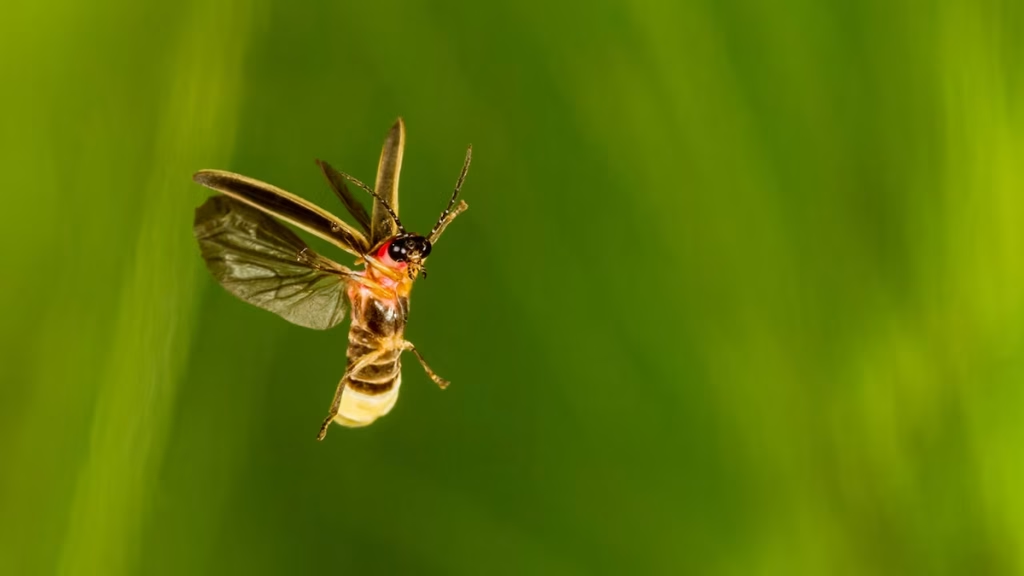
“You don’t bring fireflies back by chasing them—you bring them back by creating a land they belong to…!”
If you have spent your childhood under summer skies sparkling with tiny blinking lights, you probably know how special & magical that feeling is. Well, these were the quiet wonders of fireflies, which we still miss even after having ‘mobile phones’ in hand.
But here, let us tell you a sad & uncomfortable truth—fireflies are disappearing slowly.
We understand that “nature changes over time” type of theory, but sorry to say, we can’t blame nature every time the situation gets out of control. Today, we have fewer flashes, zero mating signals, and fewer fireflies in the backyard.
However, the good news is this isn’t irreversible. Fireflies are not gone; they are just struggling with their existence. After establishing native landscapes that support wildlife and managing our outdoors perfectly, we can really help bring them back.
Let’s talk about what’s going wrong, why fireflies matter, and how homeowners can bring them back.
Why Are Fireflies Important?
Fireflies do not just light up your summers; they have a real ecological importance.
-
They are natural pest controllers
Firefly larvae eat snails and other soft-bodied pests. This means they are helpful for gardens and natural landscapes.
-
Fireflies are an indicator species
The disappearance of fireflies often signals ecological imbalance. For example, things like soil, moisture, and pollution levels are all connected.
-
They support biodiversity
That’s true. Fireflies exist in delicate food webs, and frogs, birds, and other insects depend on similar habitats.
-
Culturally nostalgic and joyful
Fireflies bring joy and cultural nostalgia. After all, they symbolize childhood, summer, and healthy landscapes in different cultures.
What is the Purpose of Fireflies?
Wondering what the purpose of lightning bugs is?
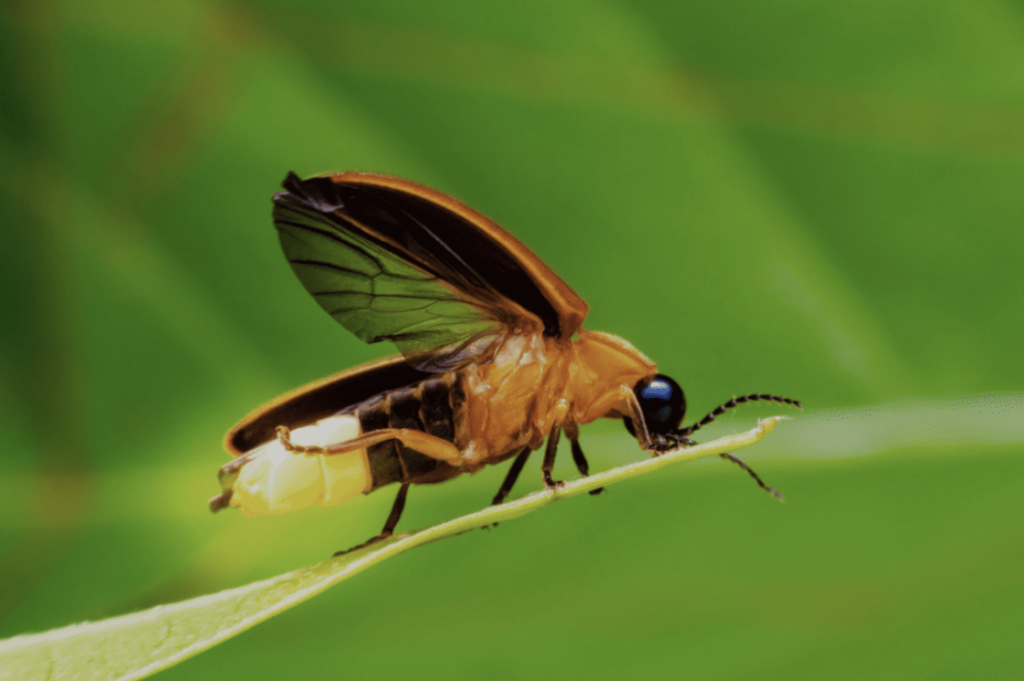
Well, fireflies look like tiny floating lanterns. But in reality, their glow is not for beauty. They actually serve biological and ecological roles to survive and keep the ecosystem in balance. Some major purposes of fireflies’ existence are the following:
-
Glowing helps attract mates
Yes, they have a soft blinking light that helps attract mates. Remember, each species has a unique flashing pattern through which its mate responds in the dark.
-
Communication signals
Fireflies use specific timing, rhythm, and brightness to communicate. Due to this, they identify the right species and avoid confusion with others.
-
Natural pest control during the larval stage
Many people do not know, but fireflies spend half of their life under the soil. They feed on slugs, snails, and soft-bodied pests, which means they are good helpers for garden and soil health.
-
Part of the nighttime food web
Fireflies are a big food source for frogs, spiders, and other nocturnal predators. Their presence greatly supports balance in the nighttime ecosystems.
Why Fireflies Are Disappearing?
Before we find solutions to fix the problem, we need to understand why fireflies are disappearing.
Unfortunately, fireflies are not disappearing randomly. Human intervention and activities are disrupting almost every stage of their life cycle. Some other reasons for their disappearance are:
-
Habitat loss:
Fireflies lose the moist, natural spaces they need to survive.
-
Too much lawn / no leaf litter:
Clean, mowed lawns remove shelter and breeding ground.
-
Pesticides:
Chemicals kill fireflies and the insects they rely on.
-
Light pollution:
Artificial light disrupts their mating signals.
-
Drainage changes:
Dry soil makes it hard for larvae to develop.
-
Lack of native plants:
Without native plants, the ecosystem they depend on breaks down
How to Help Fireflies in Your Yard?
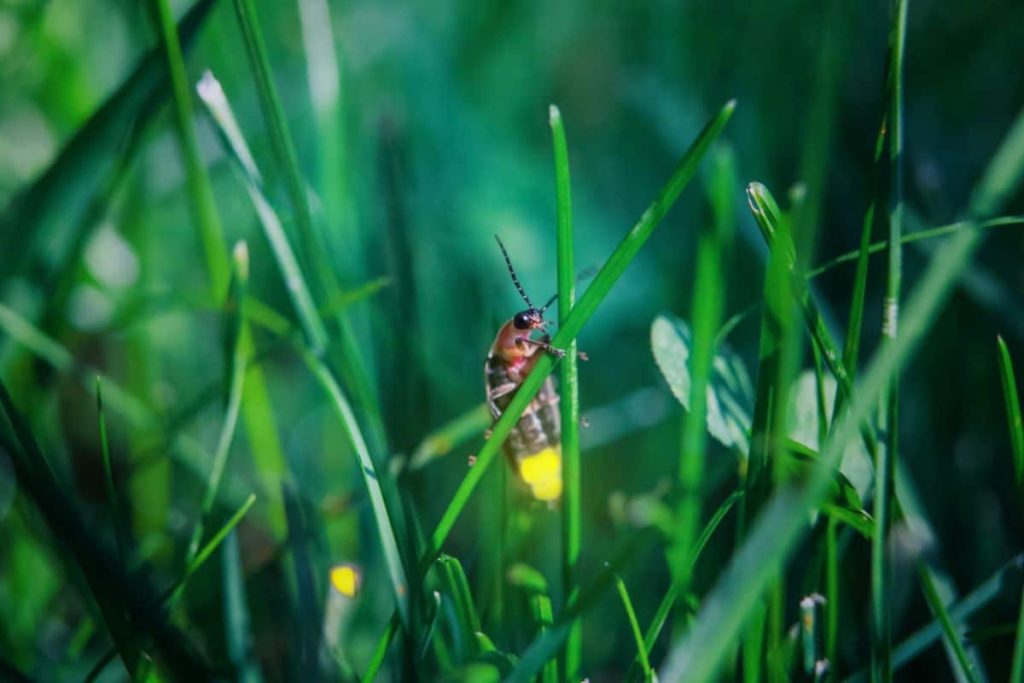
If you are thinking about how to attract fireflies in your yard, then you have to work on some ideas. Follow these crucial ways that feel realistic, not overwhelming.
-
Reduce Outdoor Lighting
This could be one of the most effective and fastest ways to help them thrive in your yard. Turn off all the unnecessary outdoor lights and use motion sensors instead of constant lighting. It’s best if you switch to warm and low-intensity bulbs.
-
Plant More Native Plants
If you really want to rebuild firefly habitat, add more native plants to your yard. Why? because they attract the insects that fireflies depend on, and they reduce the need for chemicals and irrigation. Moreover, native plants retain moisture better. Some native plants could be flowers, shrubs, and native grasses.
-
Leave Leaf Litter
Fireflies love messy places, so it’s better to leave leaf litter and keep natural ground covered instead of bare soil. Avoid overcleaning every fallen leaf because larvae need organic matter to grow.
-
Avoid Pesticides
This has huge effects. Eliminate pesticides as much as you can. Instead, it’s recommended to use natural pest control methods and encourage beneficial insects. Also, accept a small level of insect presence for a firefly-friendly yard.
-
Add Moist Areas
Another best way is to create moisture-friendly zones, because fireflies need a damp environment, especially in their early years. You can simply add mulch in garden beds and create shaded areas with native plants. Also, avoid over-drainage of soil.
-
Mow Less Often
If you want to create a safe and more natural habitat for fireflies, then it’s best to mow less often. Let the grass grow a bit longer, as it attracts fireflies and makes them stay in that ‘safe zone.’
-
Native Plant Landscaping
That’s exactly the kind of transformation we focus on. You don’t need to just “plant gardens”; you need to build a living ecosystem that supports wildlife again. That’s why our professionals recommend a native plant landscaping approach, as it makes your yard less dependent on chemicals and watering and helps you get a space that supports pollinators and fireflies.
How to Attract Fireflies Naturally?
If you are still not sure how to attract fireflies naturally, then here are a few recommendations from us:
-
Dark spaces:
Keep lights dim so fireflies can see each other’s glow.
-
Moisture:
Maintain slightly damp soil to support their life cycle.
-
Shelter:
Provide leaf litter, grasses, and natural cover for hiding.
-
Native plants:
Grow local plants to rebuild a healthy ecosystem.
-
Less disturbance:
Limit digging, chemicals, and constant yard cleanup.
-
Patience over 1–2 seasons:
Give nature time—fireflies return as conditions improve.
Best Native Plants for Firefly-Friendly Landscapes
Do you know what’s most important for creating a firefly-friendly landscape? Add some highly beneficial native plants that support firefly growth and offer them a more thriving environment. Some native plants can be the following:
- Native grasses
- Goldenrod
- Asters
- Coneflowers
- Shrubs
- Woodland edge plants
So, if you want to see more birds, pollinators, or fireflies, a native landscape is definitely a way forward, which is done professionally by the experts of Native Plant Landscaping. With years of experience and knowledge, the team can offer a well-designed native landscape that supports a real ecosystem.
Firefly Friendly Front Yard Ideas
Growing a firefly-friendly front yard is no longer a headache today because you can consider implementing lots of ideas. Some of the following ones are:
-
Meadow border:
Add a soft, native meadow edge for a natural look and habitat.
-
Native bed near porch:
Plant natives close to your home for beauty and function.
-
Pathway lighting only:
Keep lighting minimal and focused where needed.
-
Mulch + leaf zones:
Leave natural ground cover for moisture and shelter.
-
Lawn reduction edges:
Replace lawn edges with native plants to boost habitat.
Firefly-Friendly Backyard Ideas
Just like a beautiful front yard, you can establish an attractive backyard as well. Follow these ideas:
-
Naturalized corner:
Let one corner grow freely into a mini habitat zone.
-
Pollinator meadow:
Create a wildflower area that supports insects and fireflies.
-
Rain garden:
Capture water naturally to keep soil moist and firefly-friendly.
-
Woodland zone:
Add shade-loving natives for a cool, sheltered environment.
-
No-spray garden:
Skip chemicals to protect fireflies at every life stage.
Common Mistakes that Drive Fireflies Away
Do you know your one mistake can drive fireflies away from your yard? So, it’s better to avoid the following:
- Bright floodlights all night
- Over-clean yards
- Weekly scaped mowing
- Chemical lawn care
- Removing all leaves
- Reducing moisture
How Long Does It Take to See Fireflies Return?
Well, it’s hard to mention the exact timeframe because it depends on the area. Sometimes, they take the first couple of weeks when soil and insect activity begin to improve. While sometimes, they take 6-12 months, when fireflies start appearing in some areas. However, you may notice increased insect movement at night in the first season, which is a good sign.
Habitat restoration always takes some time. Remember, a consistent firefly presence as a habitat stabilizes after 1 or 2 years. So, make sure you maintain all the conditions required for a healthy return.
Fireflies and Native Landscaping: Why Do They Work Together?
Fireflies do not return or grow because of one or a few changes. They come back when the whole environment starts working together again.
And that’s where Native Plant Landscaping plays a vital role:
-
Layered habitat:
We design multi-layer native landscapes that give fireflies space to live, hide, and thrive.
-
Native moisture cycles:
Our plant choices help naturally hold and cycle moisture, creating ideal firefly conditions.
-
Pollinator support:
We build ecosystems that support pollinators and bring back nighttime life like fireflies.
-
Chemical-free natural yards:
Our approach avoids harsh chemicals, keeping your landscape safe for fireflies and all beneficial life.
If you want a healthier and more natural landscape, then unlock the magic of Native Plant Landscaping, where we support life around you and implement impactful changes that make a real difference.
Frequently Asked Questions
-
Are fireflies beneficial for gardens?
Absolutely. Their larvae control pests like snails & slugs, and their presence also indicates a balanced ecosystem with natural conditions.
-
What do fireflies eat?
Well, fireflies mainly eat soft-bodied insects, like slugs, snails, and worms. But an adult firefly usually feeds on nectar or may not eat much.
-
Do fireflies bite humans?
Who said? Fireflies never bite humans. They are absolutely harmless and do not pose any threat or harm to humans or animals.
-
Why do fireflies glow?
Fireflies glow to communicate, mainly because they have to attract mates and signal their species for courtship.
-
How do I attract fireflies to my yard?
You can attract fireflies by creating a chemical-free landscape that has more native plants, leaf litter, and tall grass for shelter. Reduce outdoor lights at night so their signals aren’t disturbed.
-
Are fireflies disappearing?
Unfortunately, yes! Fireflies are declining in many parts of the world, and the reasons are the following:
- Habitat loss
- Light pollution
- Pesticide use
- Climate change
With smart native plant landscaping techniques, you can rebuild a healthy landscape where fireflies can return and thrive.
-
Do native plants help fireflies?
Absolutely, they help a lot. Native plants create the right habitat with moisture, shade, and natural cover. And they attract other insects as well that help balance the ecosystem.
-
Can porch lights reduce fireflies?
Yes, of course. Porch lights reduce fireflies as it disrupts their flashing signals required for mating and makes harder for them to find each other.
Want to Bring Your Outdoor Space Back to Life?
No need to worry. You can easily make a low-maintenance yard that feels vibrant and becomes a living habitat for fireflies. Reach out to the expert team of Native Plant Landscaping, and let them do their magic. We’ll help you design a natural, firefly-friendly landscape that brings life, balance, and soft evening glow back to your outdoor space.