Native Landscaping, Xeriscaping & Low-Maintenance Landscaping in West Richland, WA
Native plant landscaping, xeriscaping, and low-maintenance landscaping offer practical ways to create an attractive outdoor space while reducing unnecessary water use and routine yard work.
Landscaping That Makes Sense for West Richland
Every landscape has different needs. Some properties have large open areas with plenty of sun, while others have established trees, shaded spaces, slopes, or areas where water does not drain well.
The landscape should be planned around those conditions.
Our work focuses on three main approaches:
- Native plant landscaping using plants suited to the local region
- Xeriscape landscaping designed to use water more efficiently
- Low-maintenance landscaping that reduces unnecessary mowing, watering, trimming, and other routine work
These approaches can be used individually, but they often fit together naturally.


Native Plant Landscaping in West Richland
Native plants can be a great fit for West Richland properties because they are connected to the environment of the region.
When the right plants are selected for the right location, they can handle local conditions more naturally than plants that are poorly suited to the area.
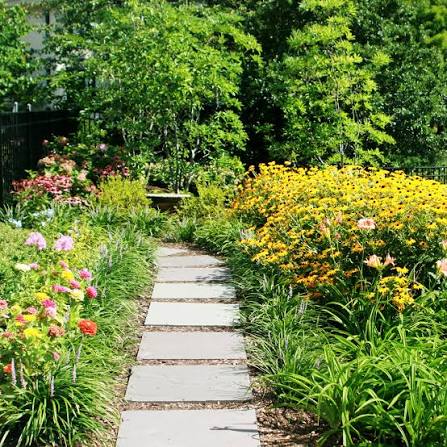
Native landscaping can include flowering plants, grasses, shrubs, trees, and ground covers. It can also include paths, rock, mulch, seating areas, and other features that make the space useful and attractive.
A native landscape does not have to look like an untouched field.
Good planning can create clean planting beds, organized groups of plants, open areas, and defined spaces around your home. The landscape can have a finished residential appearance while still using plants that belong in the regional environment.
A native landscape may be a good choice if you want to:
- Reduce the amount of lawn on your property
- Use plants better suited to West Richland's climate
- Lower irrigation requirements
- Create habitat for birds and pollinators
- Add more seasonal color and texture
- Spend less time maintaining your yard
- Create a landscape that feels connected to the local area
Xeriscape Landscaping for West Richland Homes
West Richland’s dry summers make water an important part of landscape planning.
Xeriscaping is based on a simple idea: use water wisely rather than designing a landscape that requires more water than the local conditions can naturally provide.
This can involve selecting drought-tolerant plants, reducing unnecessary turf, improving soil, grouping plants according to their water needs, and using irrigation efficiently.
A xeriscape can still feel like a full and inviting landscape.
You can have flowering plants, shrubs, trees, grasses, and other plants that provide color and structure. Gravel, stone, mulch, and paths can be incorporated where they make sense.
The goal is not to make your yard look empty.
The goal is to create a landscape where plants and other features are selected with water use in mind.
Low-Maintenance Landscaping for West Richland
Maintaining a large yard can take a surprising amount of time.
There is mowing to keep up with, weeds to deal with, plants to prune, irrigation to manage, and areas that may need regular attention throughout the growing season.
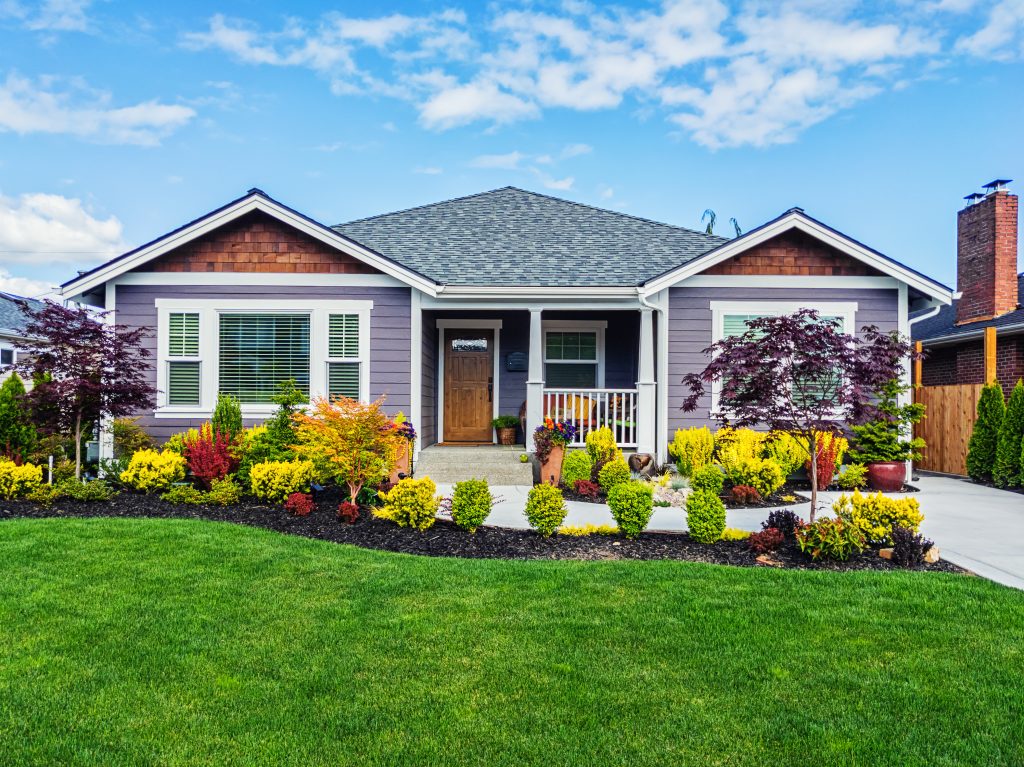
A low-maintenance landscape starts by addressing these issues during the design stage.
Instead of planting first and trying to figure out how to maintain everything later, we consider how the landscape will perform as it matures.
- Reducing unnecessary lawn areas
- Choosing plants appropriate for the site
- Using native and drought-tolerant plants
- Creating planting areas that are easier to access and care for
- Selecting plants based on their mature size
- Using ground covers or other alternatives where appropriate
- Limiting irrigation to areas that actually need it
Low-maintenance does not mean no maintenance. Plants still need care, especially while they are becoming established.
The difference is that a well-planned landscape can reduce the amount of ongoing work required once it is established
Your Property's Conditions Matter
There is no universal landscape plan that works for every West Richland property.
The amount of sunlight, soil conditions, drainage, existing vegetation, irrigation, and available space all affect what plants are likely to perform well.
Call Us
(509) 380-6410
Your own goals matter too.
Maybe you want a more natural front yard. Maybe you want to reduce the amount of lawn around your home. Perhaps you have an unused part of your property that could become a native planting area.
Or you may simply want a yard that takes less time to maintain.
We consider these factors when developing a landscape plan.
Our site assessment can look at:
- Sun and shade
- Soil conditions
- Drainage
- Existing plants and trees
- Irrigation
- Water requirements
- Available planting space
- How you use your outdoor areas
- The level of maintenance you want
Experience With Native Plants and the Columbia Basin
Native Plant Landscaping & Restoration is led by Dr. Steven O. Link, a professional botanist with more than 24 years of experience in the Columbia Basin.
His professional background includes work with Pacific Northwest National Laboratory and Washington State University. He also has extensive experience involving native plants, ecological restoration, and weed control.
This experience is one of the important differences between simply installing plants and designing a landscape around native species.
A plant may be native to the region but still be a poor choice for a particular part of your property. Soil, moisture, sunlight, drainage, and other factors all matter.
Understanding those relationships helps us make better decisions about where and how plants should be used.
Native Landscapes Can Benefit Local Wildlife
Your landscape can provide more than a nice view from your window.
Native plants can offer food, shelter, and habitat for birds, butterflies, bees, and other wildlife. Different plants can support different species and provide resources at different times of the year.
Even a small section of a residential property can provide useful habitat when the plants are selected carefully.
For homeowners who enjoy watching birds or seeing pollinators around their yard, native landscaping can add another reason to enjoy the outdoor space.
At the same time, native landscaping does not mean giving up a neat and usable yard. Planting areas can be clearly defined and maintained as part of the overall landscape design.
Creating a More Water-Efficient West Richland Yard
Reducing water use does not require turning your entire property into gravel.
There are many ways to create a more water-efficient landscape.
For example, you might keep a smaller lawn area for children, pets, or other activities while replacing less useful sections with native plants and drought-tolerant landscaping.
Another option is to create planting zones based on water requirements so that plants with similar needs are grouped together.
The best solution depends on the property.
Our goal is to find a practical balance between the amount of water your landscape needs, how you want the space to look, and how you plan to use it.
Native, Xeriscape, and Low-Maintenance Landscaping Can Overlap
You do not have to pick just one of these landscaping approaches.
A single West Richland property can use all three.
Native plants can form the main planting areas. Xeriscape principles can help reduce irrigation requirements. The overall design can then be planned to reduce mowing, pruning, and other routine work.
For one homeowner, that might mean replacing a large front lawn with native plants and a walking path.
For another, it could mean keeping the lawn but redesigning planting beds around the home with drought-tolerant shrubs and flowering plants.
There is no reason every landscape should follow the same pattern.
Native Plant Landscaping Services in West Richland, WA
Whether you are planning a new landscape or looking for ways to improve an existing yard, Native Plant Landscaping & Restoration can help you explore practical options.
Our services include:
- Native plant landscape design and installation
- Xeriscape landscape design
- Low-maintenance landscape planning
- Native plant installation
- Landscape maintenance
- Ecological restoration
We look at your property, your goals, and the local growing conditions to determine which plants and design approaches make sense.
A West Richland landscape can be attractive without being heavily dependent on irrigation or demanding hours of weekly maintenance. With the right planning, you can create an outdoor space that fits the Columbia Basin, uses water more responsibly, and is easier to manage over time.
If you are considering native landscaping, xeriscaping, or low-maintenance landscaping for your West Richland property, contact Native Plant Landscaping & Restoration to discuss your project.
Call Us
(509) 380-6410
- FAQs