Native Landscaping, Xeriscaping & Low-Maintenance Landscaping in the Tri-Cities, WA
Native plant landscaping, xeriscaping, and low-maintenance landscape design offer practical alternatives.
Landscaping for the Tri-Cities Environment
The Tri-Cities area has a climate that is very different from many other parts of Washington.
Summers are hot and dry, rainfall is limited, and outdoor landscapes can require significant irrigation if they are designed around plants that need a lot of water.
That does not mean you have to give up the look and feel of a beautiful yard.
It means the landscape needs to be planned with the local environment in mind.
We focus on three types of landscaping that can work especially well in this region:
- Native plant landscaping using plants suited to the Columbia Basin
- Xeriscape landscaping designed around efficient water use
- Low-maintenance landscaping that reduces unnecessary routine work
Depending on your property, these approaches can be used individually or combined into one landscape.


Native Plant Landscaping in the Tri-Cities
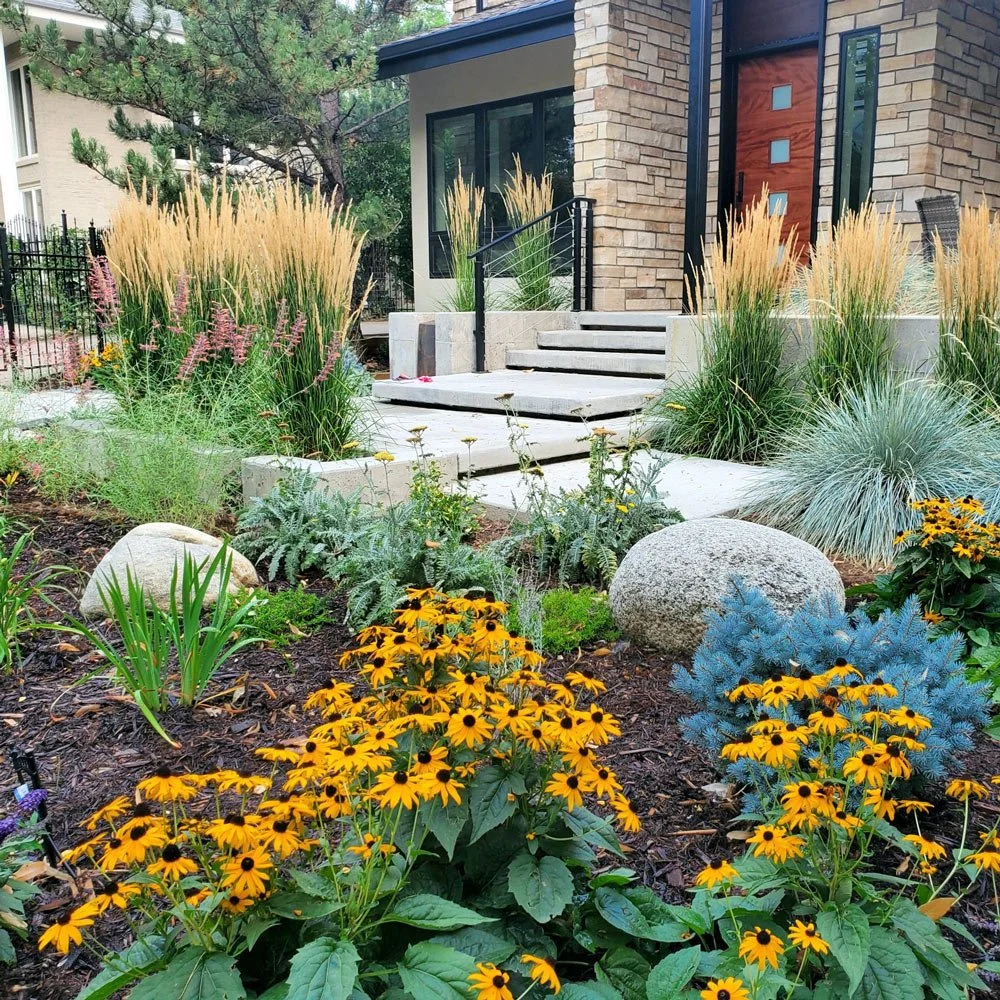
Native plants can be a natural fit for properties throughout Kennewick, Pasco, Richland, and surrounding communities.
These plants have developed in or are well adapted to the regional environment. When the right plants are matched with the right site, they can provide an attractive landscape without trying to recreate the conditions of a much wetter climate.
Call Us
(509) 380-6410
- Native trees and shrubs
- Flowering plants
- Native grasses
- Ground covers
- Rock and natural stone
- Paths and walkways
- Defined planting beds
- Open areas for recreation or other uses
A native landscape does not have to look wild.
It can be carefully designed around your home and property, with clear edges, organized planting areas, and a layout that feels intentional.
Native landscaping may be a good choice if you want to reduce lawn, use less water, support local wildlife, or create a landscape that feels more connected to the Tri-Cities region.
Xeriscape Landscaping Throughout the Tri-Cities
Water use is one of the biggest considerations when planning an outdoor landscape in the Tri-Cities.
Xeriscaping focuses on making better use of available water rather than trying to maintain every part of a property with the same amount of irrigation.
Call Us
(509) 380-6410
- Selecting drought-tolerant and regionally appropriate plants
- Grouping plants according to their water needs
- Reducing unnecessary lawn
- Improving soil conditions
- Using mulch or appropriate ground covers
- Adding gravel, stone, or other hardscape features
- Using efficient irrigation where it is needed
A xeriscape does not have to be plain.
Trees, shrubs, grasses, and flowering plants can all be part of a water-efficient landscape. With the right combination of plants, a xeriscape can have color, texture, shade, and seasonal changes throughout the year.
For homeowners dealing with high summer watering demands, this can be a practical way to rethink the landscape.
Low-Maintenance Landscaping for Tri-Cities Homeowners
A yard can look great without requiring hours of work every week.
Traditional landscapes often depend heavily on turf, which means regular mowing and watering. Other plants may need frequent trimming, pruning, fertilizing, and weed control.
Over time, those tasks can become a lot to keep up with.
Low-maintenance landscaping takes the long-term workload into consideration before the plants go into the ground.
This may include reducing lawn, choosing plants that fit the site, using native and drought-tolerant species, and creating planting areas that are easier to care for.
We can also consider how large plants will become as they mature. A plant that looks small when installed may require regular pruning later if it is placed in the wrong location.
The goal is to create a landscape that remains manageable as it grows.
One Region, Different Properties
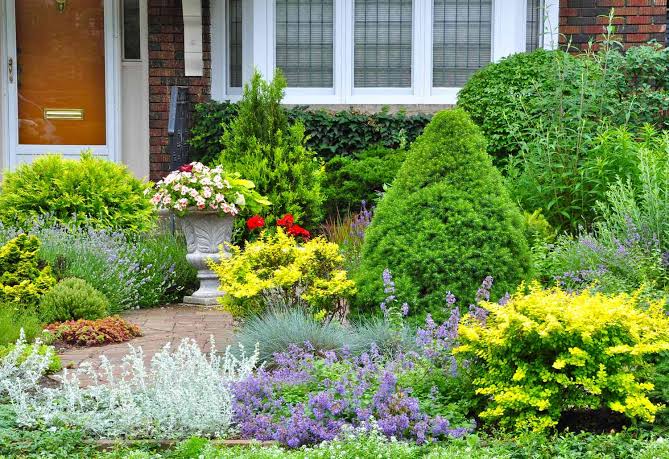
Although Kennewick, Pasco, and Richland share the Columbia Basin climate, individual properties can still be very different.
One home may have full sun and open space. Another may have mature trees and shaded areas. Some properties may have poor drainage or compacted soil, while others may have different soil conditions altogether.
The way you use the property is also important.
You may want an open area for children or pets, a more natural front yard, additional privacy, a garden space, or simply a landscape that requires less work.
That is why we do not use a single planting plan for every property.
- Sun and shade
- Soil conditions
- Drainage
- Existing plants
- Irrigation
- Water requirements
- Available space
- How the property is used
- Desired level of maintenance
Local Botanical Knowledge Makes a Difference
Native Plant Landscaping & Restoration is led by Dr. Steven O. Link, a professional botanist with more than 24 years of experience in the Columbia Basin.
His professional background includes work with Pacific Northwest National Laboratory and Washington State University, as well as experience involving native plants, ecological restoration, and weed control.
This knowledge is important when working with native and drought-tolerant landscapes.
Native landscaping is not simply about finding plants with the word “native” on a label. Different plants have different requirements, and a species that works well in one location may not be the right choice for another.
Soil, moisture, sunlight, drainage, plant relationships, and long-term growth all matter.
That broader understanding helps us design landscapes that are appropriate for the property and the region.
Native Landscapes Can Support Local Wildlife
A landscape can provide benefits for both people and wildlife.
Native plants can provide food, shelter, and habitat for birds, butterflies, bees, and other wildlife. A mixture of plants can create different types of habitat throughout the seasons.
You do not need a huge property or a completely natural landscape to provide these benefits.
A native planting area around a home, along a property boundary, or in an unused section of the yard can provide habitat while still being part of a well-designed residential landscape.
For homeowners who enjoy seeing birds and pollinators around their property, this can be one of the most rewarding parts of native landscaping.
Reducing Water Use Without Giving Up Your Yard
Water-efficient landscaping does not mean eliminating everything that makes an outdoor space enjoyable.
You can still have places to sit, play, entertain, walk, or simply enjoy the yard.
For example, you might keep a smaller lawn area for recreation while converting other sections to native plants, shrubs, grasses, and drought-tolerant landscaping.
Another property might use more natural planting areas with paths and seating spaces.
The right balance depends on what you want from your property.
Our goal is to help create a landscape that uses water where it is needed while reducing unnecessary irrigation in areas where other plants or landscape features would make more sense.
Combining Native Landscaping, Xeriscaping, and Low-Maintenance Design
These approaches often work best together.
A Tri-Cities landscape can use native plants to create habitat and regional character, xeriscape principles to reduce water use, and low-maintenance design to make the landscape easier to manage.
For example, a homeowner might replace part of a large lawn with native shrubs and flowering plants, add a walking path through the planting area, and keep a smaller section of turf for children or pets.
Another property may need more shade, privacy, or screening and use a combination of native trees and shrubs.
There is no fixed formula.
The landscape should reflect the property and the people who use it.
Native Plant Landscaping Services in Tri-Cities
Whether you are in Kennewick, Pasco, Richland, or another nearby Tri-Cities community, Native Plant Landscaping & Restoration can help you explore landscaping options that fit the local environment.
Our services include:
- Native plant landscape design and installation
- Xeriscape landscape design
- Low-maintenance landscape planning
- Native plant installation
- Landscape maintenance
- Ecological restoration
We can work with an existing landscape or help plan a new one from the beginning.
The goal is to create an outdoor space that is attractive, practical, and appropriate for the Columbia Basin.
Your landscape does not have to depend on a large amount of turf, excessive irrigation, or constant maintenance. With thoughtful planning and the right plants, you can create a yard that is easier to manage, uses water more responsibly, and supports the natural character of the Tri-Cities region.
If you are considering native landscaping, xeriscaping, or low-maintenance landscaping anywhere in the Tri-Cities, contact Native Plant Landscaping & Restoration to discuss your project.
- FAQs